
Minutia develops insulin-producing cell transplants clinicians could monitor
Minutia is working on a cell transplant for people with diabetes that would do more than supply insulin-producing cells. It also pairs those cells with tiny sensors intended to show what happens to them after transplantation. That second part addresses a practical question for transplant teams: if the implanted cells stop working, information about their survival could help explain why. The approach is preclinical, not an available treatment.
A window into the graft
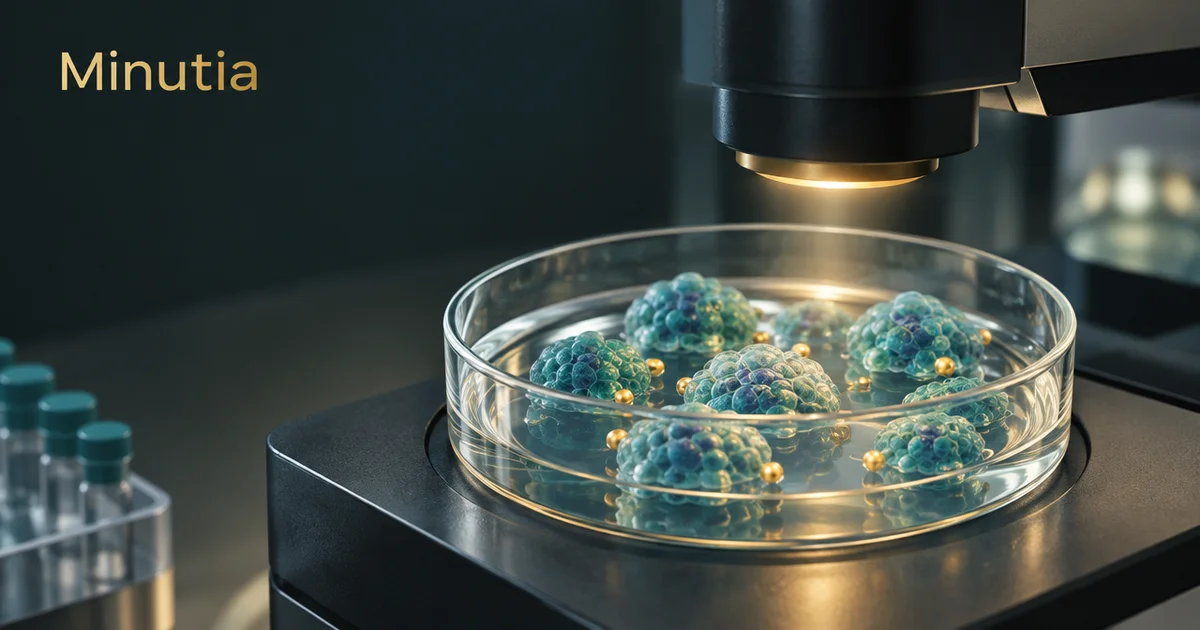
The company makes its proposed islets from human stem cells. Islets are clusters of pancreatic cells that include insulin-producing cells. Minutia is developing a way to place them in forearm muscle, together with gold nanoparticle-based sensors called NanoTrackers.
The sensors are intended to give a noninvasive signal about cell delivery, survival and immune attack. In a progress report published by California’s stem-cell agency, Minutia said it had transferred its cell-production method to a manufacturing-grade stem-cell line suitable for clinical development.
Replacement cells and a way to observe them address different parts of the same treatment problem. A functioning graft could supply insulin; a useful monitoring signal could give clinicians another way to assess the graft itself, rather than relying only on changes in blood glucose or insulin levels.