
Meli brings family belongings into estate-planning conversations
A piece of jewelry or a family heirloom can carry a story that never appears on a financial statement. Meli gives people a place to record that context, along with who they hope will receive an item, for conversations with an estate-planning professional. The software is marketed to advisors and their clients. Its commercial idea is to make personal-property information useful to both: the client creates the record, and the advisor can bring it into planning discussions.
Making possessions part of the conversation
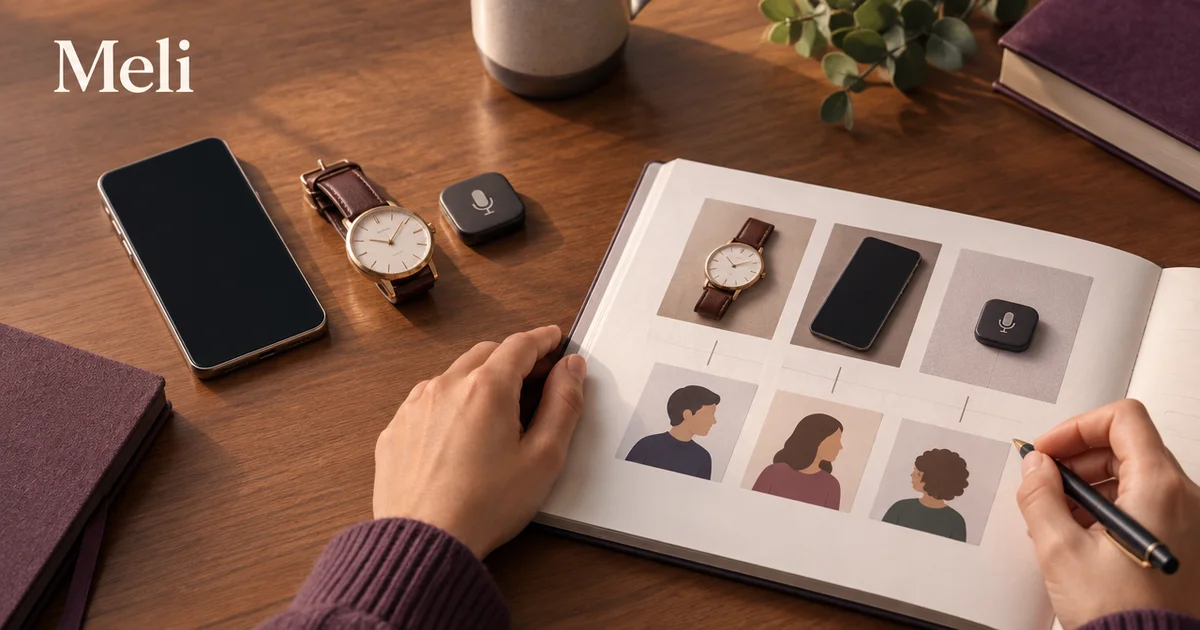
Clients can add photographs, notes, voice recordings, stories and intended beneficiaries to their records. Meli says its AI tools categorize belongings and generate descriptions, while an advisor can review the organized information in a dashboard.
That structure could give an advisor a starting point for discussing possessions that matter for different reasons: a collection may have monetary value, while an ordinary object may be important to a family because of its history.
The issue is not confined to valuable estates. In 2015, the CFP Board noted that families can disagree over sentimental personal property even when little wealth is at stake.
Meli describes its records as a way to support planning, not as a legal document. An estate attorney can advise on how a personal-property list relates to a formal plan.
An advisor route to households
Meli says individuals typically receive the product through a financial advisor. Its advisor page offers a free tier for one advisor and up to three client profiles, plus paid and custom plans.